Unsuspecting Pet Owners Leaving Their Beloved Pets in the 'Care' of this Veterinary 'Hospital' Need to Know the Truth About What Goes On Behind Closed Doors In This 'Teaching' Establishment. Preferably Before Your Pet Becomes A Body In A Bag.
The Ministry of Education Charlatans Ain't Got Nuthin' on Massey's Director of 'Governance and Assurance'
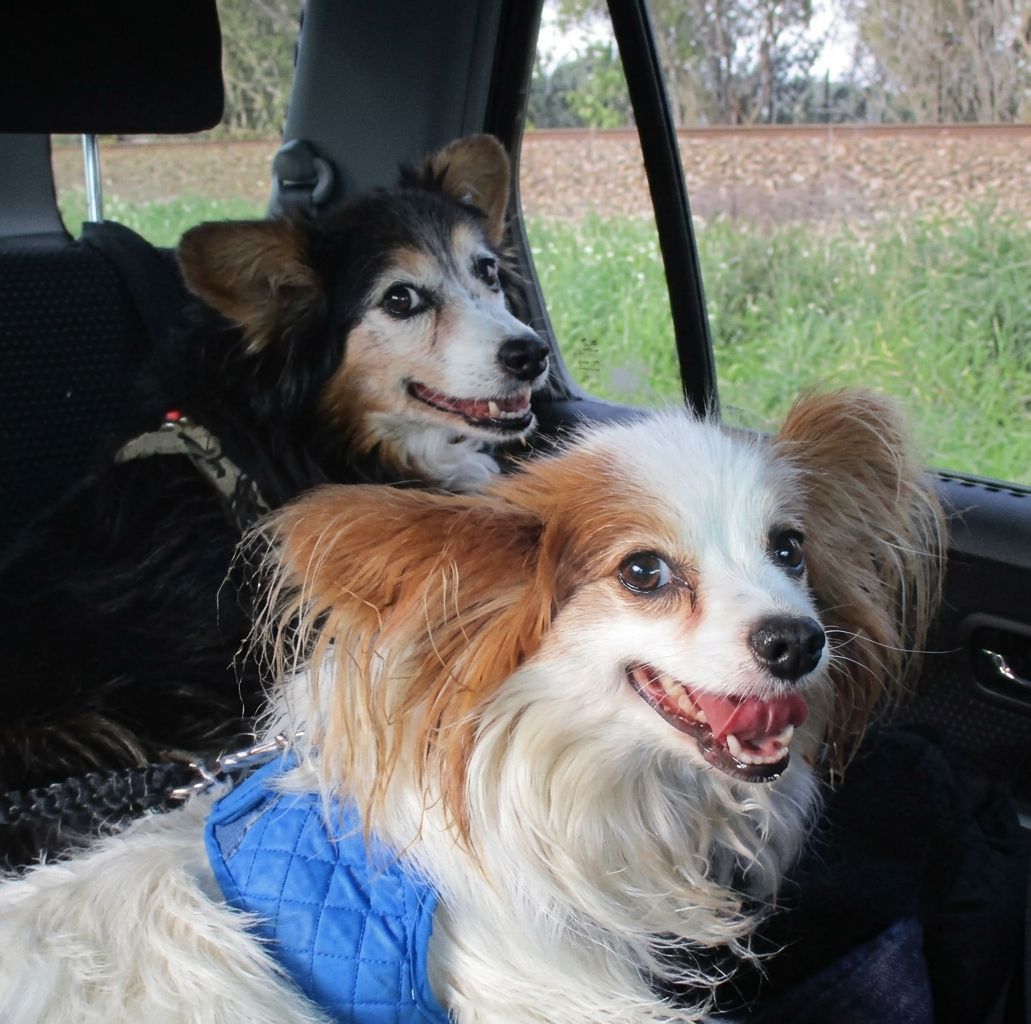
'Student Education': The Happy, Perfectly Viable Little Dog (& Paying Client's Pet) These Cretins Tortured, Overdosed, Killed & Lied About Having Done So THREE MONTHS IN WAITING FOR A RESPONSE FROM JON 'WHOLLY UNFOUNDED' HUXLEY AND MISSING-IN-ACTION VICE-CHANCELLOR PIERRE VENTER.

And A Reminder to Massey: I Will Continue Exposing the Dark Underbelly of Your Despicable Institution Until Every Pet Owner in New Zealand Is Warned & Every Potential Student Is Made Aware of Precisely What You 'Teach' _______________________________________________________________

Weak, Collusive or Both? MPI 'Investigators' Had A 342-Page Dossier of Hard Evidence (& Hundreds of Other Documents) FOR MONTHS . . . And Suddenly Handed It Off to the Demonstrably Collusive Vet Council, with One Weak-Willed Sentence and No Explanation. So . . . What Happened, Mr Director General?
MORAL INJURY OR EQUALLY EVIL? Massey Vet Students on December 1: Were You Deceived . . . or Participants In the Deception? (PART ONE) UPDATE 9.9.26 (For any intending student, parent funding a student, or careers advisor, wanting to ensure quality and ethical veterinary education, here's your warning): The Massey "neurologist" and veterinary "educator"who apparently (or conveniently) can't tell a "demented" dog from a catastrophically (contraindicated) sedative-overdosed dog, has been named: "Dr" Anita Shea. Shea's apparent (or convenient) inability to discern between a "sedated" dog and a "demented" dog, with said dog on a table in front of her, greatly assisted fellow "educator" " Dr" Steffi Jalava in her prolonged and intensive coercion of the owner for Harry's immediate (and as it later transpired, totally without cause) destruction, following Jalava's utilisation of him as a live teaching prop and as student "educational" video content . The author (and owner of the precious NON-"demented" little papillon who was sent to a totally unnecessary death based on Shea's "diagnostic skills" and collusion with Jalava) vehemently urges ALL young persons seeking an ethical and competent education in veterinary science, to look elsewhere for your studies.
UPDATE 8.9.26: The Massey "neurologist" who apparently (or conveniently) can't tell a "demented" dog from a catastrophically (contraindicated) sedative-overdosed dog, has been named: She is "Dr" Anita Shea. Shea's apparent inability to discern the distinction between "sedated" and "demented" with said dog on a table in front of her, greatly assisted "Dr" Steffi Jalava in her prolonged and intensive coercion of the owner for Harry's immediate (and as it later transpired, totally without cause) destruction. The author (and owner of the precious NON-"demented" little papillon who was sent to a totally unnecessary death based on Shea's "diagnostic skills") vehemently urges all pet owners to avoid any contact with this "clinician" - who, in the author's opinion is incomprehensibly incompetent, or utterly monstrous. Or perhaps, both. THIRD UPDATE: Since the original January 16 publication of this article, and despite Massey's ongoing efforts to obscure the identities of those involved, the day shift clinician who delivered the fraudulent diagnosis and administered the lethal injection has been identified by her full name: Dr Steffi Maja Jalava. She is far from the only person culpable for the torture, fraud, and fully unnecessary termination of Harry's life . However, Jalava's completely false "terminal" "neurological" "diagnosis" and "prognosis" delivered throughout two hours of aggressive coercion — after "teaching" staff had finished their unauthorised and unspeakably cruel utilisation of Harry in student activities and filming — were the grounds on which I was duped into signing a "euthanasia" "consent" form . . . and worse still, participating therefore in the wrongful killing of my own deeply beloved dog. The identities of the night shift veterinarian and ICU staff responsible for the overnight overdosing described in this article — the repeated, catastrophic levels of contraindicated administration of Gabapentin and Prevomax to a renally-compromised patient between approximately midnight and 9am on December 1, 2025 — remain unknown and actively withheld by Massey. If you were on duty in Massey's Companion Animal Hospital ICU on the night of November 30 into December 1, 2025, or if you have knowledge of who was, this investigation would like to hear from you. UPDATE TO READERS: Since writing this article, my continuing research has indicated that Harry was likely not only simply sedated (and massively so) for the sake of the ICU staff's convenience, but also to facilitate a multiplicity of training procedures to be conducted upon him - with the intention that the fronting clinician, "Steffi", would present him as requiring urgent "euthanasia" through a sudden natural decline in his condition. Unfortunately, for Massey management and personnel, I have not only my own memory of him standing strongly on his back legs in his ICU cage at midnight and reaching through the door for comfort, but also now a video of him actively "circling" on the ICU floor, just hours before he was presented to me in a flacid, semi-comatose state with no viable explanation other than some supposedly nature decline. UPDATE TO THE UPDATE : The above indications have not only since been confirmed , but what actually happened to Harry was far worse, and constituted much more than gross malpractice. My latest findings move the entire matter squarely into the category of malfeasance - both at the clinical level and at the highest levels of Massey's management. The Reckless Practice of 'Convenience Sedation' & the True Cost of Clinical Apathy

8.9.26 UPDATE: The Massey "neurologist" who apparently (or conveniently) can't tell a "demented" dog from a catastrophically (contraindicated) sedative-overdosed dog, has been named: She is "Dr" Anita Shea. Shea's apparent inability to discern the distinction between "sedated" and "demented" with said dog on a table in front of her, greatly assisted "Dr" Steffi Jalava in her prolonged and intensive coercion of the owner for Harry's immediate (and as it later transpired, totally without cause) destruction. The author (and owner of the precious NON-"demented" little papillon who was sent to a totally unnecessary death based on Shea's "diagnostic skills") vehemently urges all pet owners to avoid any contact with this "clinician" - who, in the author's opinion is incomprehensibly incompetent, or utterly monstrous. Or perhaps, both. UPDATE: Since the original January 31 publication of this article, and despite Massey's ongoing efforts to obscure the identities of those involved , the clinician who delivered the fraudulent diagnosis and administered the lethal injection has been identified by her full name: Dr Steffi Maja Jalava. She is far from the only person culpable for the torture, fraud, and fully unnecessary termination of Harry's life . However, Jalava's completely false "terminal" "neurological" "diagnosis" and "prognosis" delivered throughout two hours of aggressive coercion - after " teaching" staff had finished their unauthorised and unspeakably cruel utilisation of Harry in student activities and filming - were the grounds on which I was duped into signing a "euthanasia" "consent" form . . . and worse still, participating therefore in the wrongful killing of my own deeply beloved dog . From Lethal Incompetence and Malpractice . . . to Withholding of Life-Saving Corrective Action in Favour of Utilisation As A Teaching Aid . . . to A Fraudulent Diagnosis . . . to A Coerced 'Euthanasia' to Destroy the Evidence . . . to Management Malfeasance At the Highest Levels

An Expert Contributed Commentary UPDATE 8.9.26: The Massey "neurologist" who apparently (or conveniently) can't tell a "demented" dog from a catastrophically (contraindicated) sedative-overdosed dog, has been named: She is "Dr" Anita Shea. Shea's apparent (or convenient) inability to discern between a "sedated" dog and a "demented" dog, with said dog on a table in front of her, greatly assisted " Dr" Steffi Jalava in her prolonged and intensive coercion of the owner for Harry's immediate (and as it later transpired, totally without cause) destruction, following Jalava's utilisation of him as a live teaching prop and as student "educational" video content . The author (and owner of the precious NON-"demented" little papillon who was sent to a totally unnecessary death based on Shea's "diagnostic skills" and collusion with Jalava) vehemently urges ALL pet owners to avoid any contact with these "clinicians" - who, in the author's opinion are incomprehensibly incompetent but worse and even more so, utterly monstrous.

Readers following the coverage of my attempts to get to the bottom of what happened to my beloved little papillon, Harry, with whom I was extraordinarily closely bonded, will know that: (A) The rot in Massey University’s Companion Animal “Hospital” (CAH) runs deep. (B) Honesty and transparency is not their policy. Denial, dismissal, stonewalling, legal threats and intimidation are. (C) Animals aren’t safe there, with cruelty embedded in “care”, and your property (as your pet legally is) not considered your property at all, as far as Massey, its CAH staff and management are concerned. Your pet is theirs ; to do with as they please, according to their mindset and their modus operandi. And if that involves catastrophic levels of unauthorised, contraindicated, convenience sedation to facilitate their use of your pet in monetised student video collections (including on private cell phones, and to which you will be given no access), this too, according to Massey, is its own God-given right and “best practice” Standard Operating Procedure. (D) “Informed Consent” has a very different meaning in the Massey playbook to that which is generally deemed its accepted definition. (E) “Accountability” is a foreign concept and not one with which they have any intention of becoming acquainted. (F) Laws – including those governing animal welfare, property conversion and more – are not only optional, in Massey’s case, they simply don’t apply. In fact, they appear blissfully ignorant of them according to my (and Harry's) experience. You know all that. You’ve read about it here , here , here , here , here , here , here , here and in most of my other now 30+ articles covering the numerous different sub-atrocities within the overall atrocity that was the demise and disposal of my precious little Harry. Actually, "atrocious" doesn't come anywhere near to being an adequate adjective. Despite having been a professional writer since I was 16 and having upwards of 25 published books under my belt, I don't actually have an adjective that's adequate for the pure evil that was perpetrated upon Harry . . . and, by extension, me . There is not one word or one phrase that can sufficiently convey the depth and breadth of the sheer, unadulterated wickedness that festers without restraint within the walls of Massey University's Companion Animal "Hospital". What you, my readers (or those of you not on Massey's massive legal team payroll) didn’t yet know – because I didn’t yet know – is that record and evidence tampering (which, for any other New Zealand citizen would attract jail time of up to 10 years under the Crimes Act 1961 Section 258 (Altering document with intent to deceive) or Section 260 (Falsifying registers) , and/or a $10,000 fine under the Privacy Act Section 212(2)(b) - appears also to be included in the “we’re exempt” culture of Massey and its veterinary “hospital” staff. Note to Readers: The above laws aren't some hypothetical, bottom-drawer, dusty old legal tracts in archaic library textbooks. They're real, "living" laws that apply to every individual in our country. And today, they are being made to apply to Dr Stephanie Rigg and her "colleagues" who falsified Harry's records to create a cover-up of what they did to him . . . and to me. I will, duly, see Dr Rigg and her associates in Court. Dissecting the Cover-Up: Massey’s Metadata of Deception But back to what readers do know for a moment: You’ll know that I’ve been in the battle of battles for the past two months to extract Harry’s full records (or anything approaching them) from Massey’s Legal and Governance department. HOWEVER . . . there was one thing I hadn’t known how to decipher that they actually had finally drip-fed to me. It was File Name: Patient Change Log (Field-Level Audit) . I’ve been learning a lot about veterinary science, record-keeping, and law in general lately. Not because I wanted to. But because if you want to figure out how deep the rot really runs at Massey, you kind of have to. So I’ve learned a bit about how to decipher clinical metadata. Just e nough to realise that this Patient Change Log (Field-Level Audit) is exactly where the digital fingerprints of a cover-up are hiding. Despite the fact that this document has as much redacted as it shows (probably more), with ALL staff names and positions blacked out, for example -I still found four distinct “smoking gun” entries in these otherwise heavily-redacted metadata logs. BIG. FAT. SMOKING. GUNS. that amounted to one undeniable overall conclusion: This document isn’t a clinical record so much as it’s a literal crime scene . There were already so many dodgy inconsistencies in the few items I'd managed to pull out of Massey to that point (as I've documented in various of my preceding articles). But this document is where, undeniably, the bodies are buried. You just need to know which clod of dirt to look under. Hidden in Plain Sight . . . In A Little Thing Called the Metadata (That the Average Pet Owner Wouldn't Even Know Existed ) There are four hidden but key findings demonstrating that the entire timeline of Harry’s “experience” in that hellhole were was orchestrated, and the sudden "neurological event/decline" exit strategy planned for him were a total fabrication. And that fabrication had a start time. (For this start time we will initially revert our focus back to Massey's previously-supplied "Clinical Summary" (in all its dodginess) . . . We will then lead from the immediately below into the afore-mentioned "Patient Change Log (Field-Level Audit)". Bear with me. I promise not to let this get boring). Well, one of two start times. Either: (1) The 8.38am disconnection of his (with, by-then, the TWO 750% overdoses of the renally contraindicated convenience sedative with which the "crying dog"-sensitive ICU staff had plied him overnight) now life-essential IV fluids (8.5 hours into the prescribed 24-hour protocol that they charged me for). And/or: (2) When the day shift ICU "vet" arrived at 9am and decided a THIRD 750% overdose would be a strategic way do deal with a clearly already massively overdosed little 3.8kg, 15-year-old, dehydrated dog. Now WHY would any vet take such a decision? Well, for legal purposes, of course (remembering that the Venerable Dean Jon Huxley and the obviously not- so-new-broom Vice-Chancellor Pierre Venter, have all the money in the public purse to pay their top-tier external legal counsel . . . and by gum, there are enough of the buggers, if this site's analytics are anything to be guided by), I will precede the following by stating that these are my conclusions, made on the basis of the collation and evaluation of the information before me. That said, what I know of my readers is this: You are no intellectual slouches. Feel free to let me know if you can come up with any other conclusion from the information (complete with now numerous "receipts") that I have thus far presented, most especially here and here , and most tellingly of all, in today's expose. R emember, though, I held the ultimate evidence in my arms at 6pm on December 1 . . . and, some 45 minutes later, I let them take it (safely, for them) away from me, just like Harry's (the literal body of evidence) life had just been taken from him. Little Numerals that Tell A BIG Story The plan for Harry's manufactured exit is not so much written into the records, as it is revealed by the tampering with the logs. They lay bare the lead vet’s apparent plan that his life would come to an abrupt end by the pre-scheduled time of (well, they couldn't quite get consistency in the logs regarding the exact minute, but by the absolute latest time of) 17:00 hours i.e. 5pm . . . assumedly, the end of the day shift on December 1. Just in time to mark him "Deceased" and seal off the records of this catastrophically overdosed patient, before the next shift came on, saw his records, and someone started asking the immediately necessary, and certainly appropriate, questions. And those questions would (0R SHOULD ) have included , but would certainly not have been limited to: How long has this dog been in this state? Why hasn't any rescue and remediation protocol been undertaken? Why was he given yet ANOTHER administration of 50mg of Gabapentin at 09:00 hours after the preceding two during night shift? Why is he disconnected from his IV fluids? Who approved that and why? (And if they knew he'd starred in a multi-video student film festival that morning): Was he taken out of his cage and handled in this state? When did he last drink? Was he given any food before he entered this near-comatose state? Does the owner know of the overdoses and the state he's in? Have you filled in an incident report? Have any emergency specialists been called in for advice? and, no doubt, many more questions. OR . . . maybe not. It depends if the rot in that ICU is fully immersive, or if it's concentrated on Dr Stephanie Rigg's day shift and the ICU shift staff of the preceding (November 30) night. But none of those questions could be asked and none of that could happen. The day shift - led by "Dr" Rigg ("Steffi") - wasn't about to let it happen. Thus, the pre-timestamped, just before end-of-shift, Time of Death entered into the "Euthanasia Authorisation" form that they had all queued up for me long before I ever arrived at that Godforsaken facility that fated December 1 afternoon.